
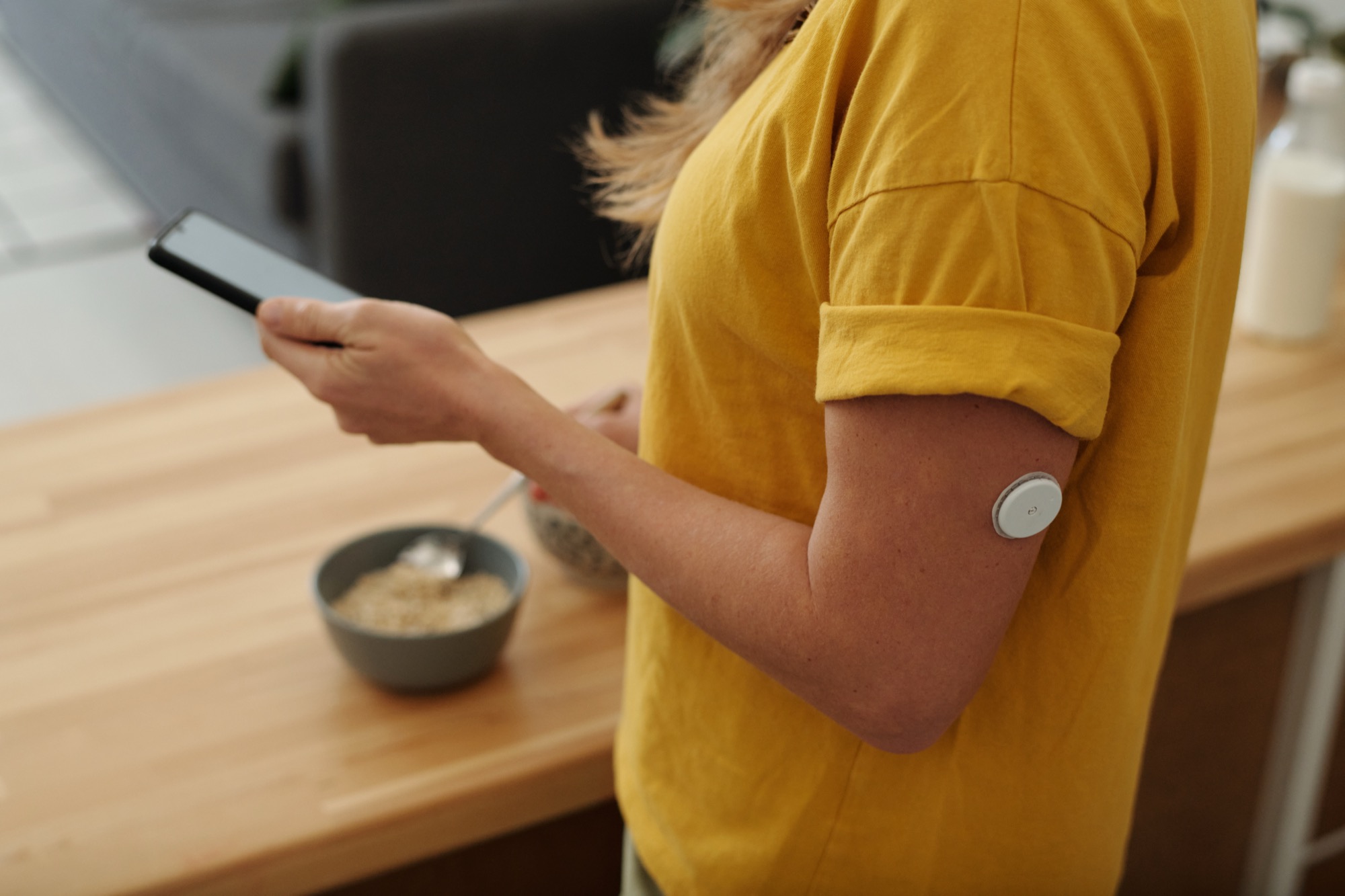
Glucose Data Is Abundant But Underused
Continuous glucose monitors (CGMs) provide real-time insight into how meals, sleep, stress, activity, and medications affect glucose levels. Yet, for many providers, that stream of data never makes it into the care workflow. The reasons are familiar: multiple portals, manual uploads, disconnected systems, and fragmented workflows.
When CGM data remains siloed, the care team sees only fragments of the patient’s story. This typically occurs during the next office visit, after potentially actionable patterns, such as frequent hypoglycemia or postprandial spikes, have gone unaddressed. This results in reactive care, missed intervention windows, and avoidable costs for both patients and payers.
The Cost of Not Using CGM Data
When CGM data isn’t integrated:
Patients may miss early signals of glycemic instability or rising risk, leading to more emergency visits or hospitalizations.
Care teams waste time navigating multiple systems or manually importing hand reports instead of focusing on clinical decision-making.
Health systems miss opportunities for optimized outcomes, increased efficiency, and cost savings.
Why Integration Is the Missing Link
It’s not simply about capturing CGM data, it’s about delivering it into the tools clinicians already use. For CGM data to make a difference, it must live in the electronic health record (EHR) alongside medications, labs, care notes, alerts, and decision-support tools.
Without this seamless flow, CGM-derived insights cannot trigger timely action, outreach, or adjustments to care plans.
How Validic Closes the Loop: Seamless CGM Integration
Validic addresses the integration gap. According to its announcement, Validic’s CGM integration:
Enables data updates from CGM device manufacturer clouds, removing the need for manual data downloads.
Supports direct embedding of CGM data and Ambulatory Glucose Profile (AGP) reports into the EHR patient chart (specifically mentioned support for FreeStyle Libre in Epic and Oracle Health).
Enables clinical teams to access CGM data alongside other clinical metrics (not just via manufacturer portals) and to “save the report snapshot to the chart with a click of a button.” https://www.validic.com/resources/news/validic-advances-diabetes-care-with-seamless-cgm-integration-into-ehr-workflows
Allows program managers to set custom notifications/thresholds for adherence concerns, data thresholds/averages, and triggers for outreach.
In practical terms, this means care teams no longer need to log into separate portals or manually download data. Instead, CGM data appears directly within the workflow they use every day, transforming it from passive information into actionable insight. By shortening the link between patient behavior—such as glucose excursions and time in range—and provider decision-making, teams can intervene more quickly and provide truly proactive care.
The Results: Measurable Improvement
Integration isn’t just a “nice to have.” A diabetes program powered by Validic achieved an average 0.9 point A1C reduction in just 65 days, demonstrating how integrated CGM data can drive meaningful improvement, fast.
The Future of Diabetes Care Is Data-Driven
CGMs have already changed how people with diabetes understand their condition. Now, the opportunity is for healthcare systems and care teams to harness that data, embed it into care workflows, and enable real-time insight and action. With Validic’s seamless CGM integration, providers can finally “close the loop” — turning continuous glucose data into continuous insight, continuous intervention, and continuous improvement.
Because when every data point matters, the ability to access, contextualize, and act on it makes all the difference.
Ready to see how Validic integrates CGM data into your clinical workflow and powers measurable outcomes? Learn more about Validic →